
UK tax rates and thresholds for 2026/27: what's changed in April 2026
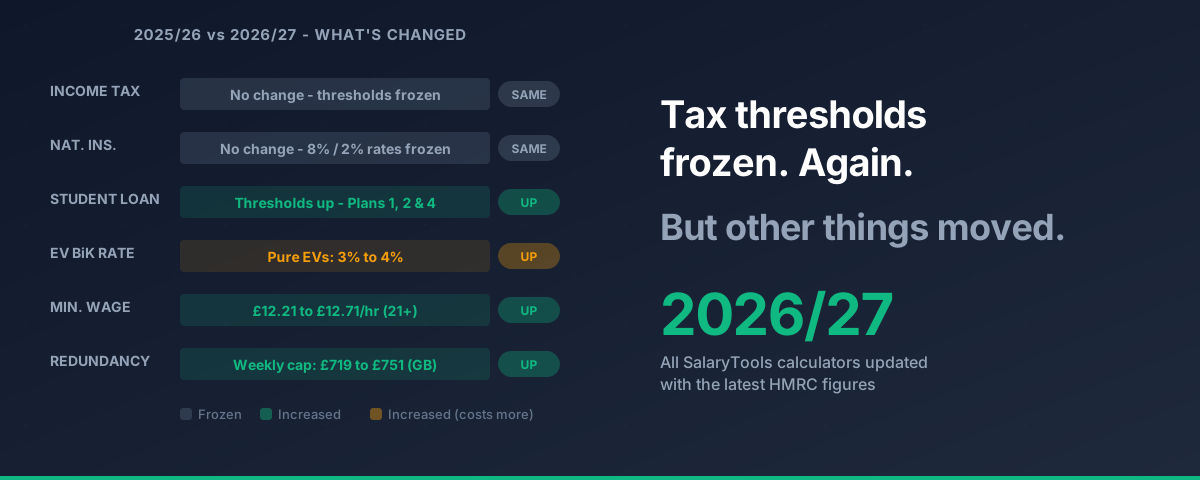
The 2026/27 tax year started on 6 April 2026. Income tax thresholds and National Insurance rates are frozen again, until at least 2030/31. But student loan thresholds, the National Living Wage, EV company car tax and statutory redundancy caps have all moved. Here's the full picture.
Income tax thresholds for 2026/27: unchanged
The big numbers are identical to last year. The government has kept income tax thresholds and NI rates frozen - a policy that's been in place since 2021/22 and is set to continue until at least 2030/31.
| Rate / Threshold | 2025/26 | 2026/27 |
|---|---|---|
| Personal Allowance | £12,570 | £12,570 |
| Basic rate (20%) | £12,571 – £50,270 | £12,571 – £50,270 |
| Higher rate (40%) | £50,271 – £125,140 | £50,271 – £125,140 |
| Additional rate (45%) | Over £125,140 | Over £125,140 |
| Employee NI (main rate) | 8% | 8% |
| Employee NI (upper rate) | 2% | 2% |
| Employer NI | 15% | 15% |
Student loan repayment thresholds 2026/27
Repayment thresholds for Plans 1, 2 and 4 have all risen. This means you start repaying at a higher income, so slightly less comes out of your pay each month.
| Plan | 2025/26 | 2026/27 |
|---|---|---|
| Plan 1 | £26,065 | £26,900 |
| Plan 2 | £28,470 | £29,385 |
| Plan 4 | £32,745 | £33,795 |
| Plan 5 | £25,000 | £25,000 |
| Postgraduate | £21,000 | £21,000 |
Plan 5 and Postgraduate loan thresholds are unchanged. All repayment rates remain at 9% (6% for Postgraduate).
Note: the Plan 2 threshold rises to £29,385 for 2026/27, but will then be frozen at that level from April 2027 until April 2030 following the Autumn Budget 2025 announcement.
Company car tax rates for electric vehicles in 2026/27
The Benefit in Kind rate for pure electric vehicles has increased from 3% to 4%. This is part of the government's pre-announced schedule - it will rise again to 5% in 2027/28.
Even at 4%, EVs remain far cheaper through salary sacrifice than buying or leasing privately. For a car with a £40,000 list price, the annual BiK charge is just £1,600 (4% of £40,000), meaning you'd pay between £320 and £640 in tax depending on your rate - a fraction of the cost of leasing the same car yourself.
PHEV and ICE vehicle rates have also increased by 1–2 percentage points across the board. See the full table in our salary sacrifice calculator.
National Living Wage rates from April 2026
The National Living Wage (for workers aged 21+) has risen from £12.21 to £12.71 per hour. Rates for younger workers have also increased:
| Age Group | 2025/26 | 2026/27 | Change |
|---|---|---|---|
| 21 and over | £12.21 | £12.71 | +4.1% |
| 18 to 20 | £10.00 | £10.85 | +8.5% |
| 16-17 | £7.55 | £8.00 | +6.0% |
| Apprentice | £7.55 | £8.00 | +6.0% |
This matters for salary sacrifice: your employer cannot reduce your effective hourly rate below the NMW through sacrifice arrangements. The higher NMW gives slightly more room for sacrifice at lower salaries.
Statutory redundancy pay: weekly cap for 2026/27
The weekly pay cap used to calculate statutory redundancy has risen:
- Great Britain: £719 to £751 per week
- Northern Ireland: £749 to £783 per week
The £30,000 tax-free threshold for redundancy payments is unchanged. Use our redundancy pay calculator for a full breakdown including notice pay and tax.
Scottish income tax bands have widened
The six Scottish tax rates are unchanged (19%, 20%, 21%, 42%, 45%, 48%), but the starter and basic rate bands have been widened. This means slightly more income is taxed at the lower rates before the intermediate rate kicks in.
| Band | 2025/26 | 2026/27 |
|---|---|---|
| Starter (19%) | £12,571 – £15,397 | £12,571 – £16,537 |
| Basic (20%) | £15,398 – £27,491 | £16,538 – £29,526 |
| Intermediate (21%) | £27,492 – £43,662 | £29,527 – £43,662 |
| Higher (42%) | £43,663 – £75,000 | £43,663 – £75,000 |
| Advanced (45%) | £75,001 – £125,140 | £75,001 – £125,140 |
| Top (48%) | Over £125,140 | Over £125,140 |
The net effect is a small tax cut for Scottish earners between roughly £15,400 and £43,700, as more of their income falls into the 19% and 20% bands rather than the 21% intermediate band. Above £43,662 nothing has changed.
Scottish taxpayers can switch to Scottish rates in any of our calculators using the Region tab.
All SalaryTools calculators are updated
Every calculator on the site has been updated for the 2026/27 tax year. This includes:
- Take-home pay calculator - now defaults to 2026/27
- Salary sacrifice calculator - updated BiK rates, NMW, and employer NI
- Bonus tax calculator - 2026/27 thresholds
- Redundancy pay calculator - new weekly pay caps
- Salary comparison - compare across tax years
- £100K tax trap - updated marginal rate visualisation
You can still switch to 2025/26 or 2024/25 in any calculator to compare how your take-home pay has changed over time.
References
- Rates and thresholds for employers 2026 to 2027 - GOV.UK (accessed April 2026)
- Income Tax rates and Personal Allowances - GOV.UK (accessed April 2026)
- National Insurance rates and categories - GOV.UK (accessed April 2026)
- Company car benefit-in-kind rates - GOV.UK (accessed April 2026)
- National Minimum Wage and National Living Wage rates - GOV.UK (accessed April 2026)